Registering your address at the ward office is the first thing you need to do after arriving in Japan, and almost everything else depends on it. Here is exactly how it works, what to bring, and what you get when you leave.
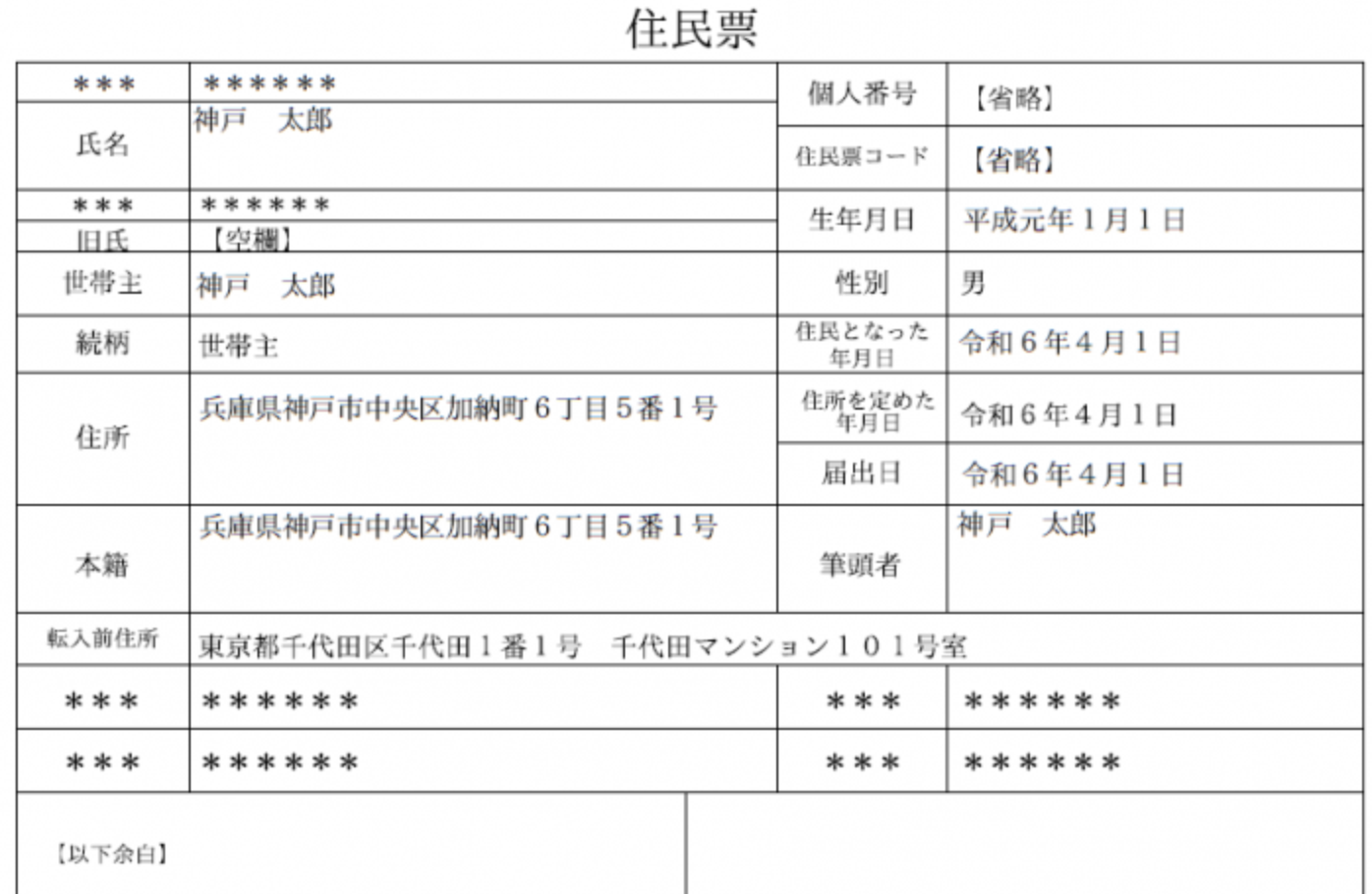
Address registration at your local ward office (区役所, ku-yakusho) is a legal requirement for all foreign residents in Japan. When you complete it, you receive a resident registration record (住民票, jumin-hyou), an official document proving your address that you will need almost immediately for banking, contracts, and other procedures.
Registration takes 20 to 40 minutes, costs nothing, and unlocks everything else. Japanese terms used in this guide are listed in the keyword guide at the bottom.
Who needs to register
All mid-to-long-term residents (中長期在留者, chuu-chouki zairyuu-sha) are required to register. This includes anyone on a visa with a stay period longer than three months: work visas, student visas, spousal visas, and most other long-term categories. If you have received a residence card (在留カード, zairyu kaado) at the airport or are waiting for one, you need to register.
Short-term visitors (tourist visas, 90-day visa-exempt stays) do not need to register.
Before you register: you need a permanent address
You cannot register until you have a fixed address where you actually plan to live. A signed rental contract, company-provided housing, or a written agreement to stay at someone’s registered home all qualify. A hotel does not.
If you are searching for permanent housing, a monthly-fee apartment (マンスリーマンション, mansuri manshon) qualifies as a registerable address. It comes furnished, requires no guarantor, and you can register there while searching for a longer-term place.
The 14-day deadline
You must register within 14 days of settling at your address. The clock starts from when you move in. Not from when you arrived in Japan. This is set by the Basic Resident Registration Act (住民基本台帳法, jumin kihon daichou hou).
Watch out
What to bring to the ward office
Bring all of the following. Ward offices sometimes ask for documents not on their official list. Having everything avoids a return trip.
- Residence card. If your card has not been issued yet, bring your passport with the “residence card to be issued later” stamp (在留カード後日交付, zairyu kaado gojitsu koufu).
- Passport. Bring this regardless, as staff may ask to see it.
- Proof of address. A signed rental contract, a company housing confirmation letter, or a written statement from the person at whose registered address you are staying. The statement should include their name, relationship to you, and their registered address.
- Your employer or school’s name and address in Japanese, if you are on a work or student visa. Have this written down or saved on your phone before you go.
- A pen. Forms are handwritten. Most ward offices supply pens at counters, but bring one if you prefer your own.
Best days to visit
At the ward office counter
Tell the counter staff you are there to register your address (転入届, ten’nyuu todoke, moving-in notification). They will give you a form to fill in. The form is in Japanese, but the fields are straightforward: your name, date of birth, nationality, current address, previous address, and employer or school information.
When you hand in the form with your residence card, this single visit simultaneously fulfills two legal requirements: the Basic Resident Registration Act notification AND the ISA address notification required under the Immigration Control Act. You do not need to submit a separate form for the ISA requirement.
The whole process takes 20 to 40 minutes, sometimes longer during busy periods. There is no fee.
Outside Tokyo?
What you get when you leave
After registration, ask the counter staff for copies of your resident registration record. You will need it almost immediately, banks require it to open an account, and some landlords ask for it when signing contracts. Ask for two or three copies at the same visit. Each copy costs ¥300. Getting extras now saves you a return trip.
Your residence card is also updated. The address is now recorded on the ISA system linked to your card.
Do everything in one visit
The ward office handles several other essential procedures alongside address registration. Do all of these at the same visit to avoid coming back:
- Enroll in National Health Insurance (国民健康保険, kokumin kenkou hoken) if your employer does not cover you. You will receive an insurance card immediately or by post within a few days.
- Enroll in National Pension (国民年金, kokumin nenkin) if your employer does not cover you. You can apply for a reduction or exemption at the same counter if your income is low or you are not yet working.
- Note your address for your My Number notification letter. You cannot apply for the letter at the ward office, but the address you register today is where it will be sent. It typically arrives within two weeks. See our My Number guide here.
Already covered by your employer?
When you move: updating your address registration
If you move within Japan, you must update your registration. The process depends on whether you are moving within the same ward or to a different ward or city.
Moving within the same ward
File a change of address notification (転居届, tenkyo todoke) at your ward office within 14 days of moving. Bring your residence card and passport. No separate moving-out step is needed.
Moving to a different ward or city
Go to your new ward office and file a moving-in notification within 14 days of settling at your new address. Present your residence card. The new ward office notifies your old ward through the municipal system. You do not need to visit your old ward first. This is confirmed by the ISA: the relevant counter for both the Basic Resident Registration Act and ISA address change notifications is your new municipality.
If you have a My Number card, you can also submit the moving-out notification (転出届, tenshutsu todoke) online in advance via MynaPortal, then complete the moving-in notification at your new ward office. This is optional but can reduce your wait time at the counter.
Update your My Number card when you move
Can someone register on your behalf?
Yes, in limited circumstances. If you cannot attend in person due to illness or other unavoidable reasons, a proxy can register for you. The proxy must be a relative aged 16 or over who lives with you, or someone you have formally designated. They must bring a signed proxy authorization form (委任状, inin-jou), their own photo ID, and your residence card (or a copy of it). Download the proxy form from the ISA website (PDF).
What to bring: summary checklist
- Residence card, or passport with “residence card to be issued later” stamp if card not yet issued
- Passport
- Proof of address (rental contract, company housing letter, or written statement from the registered householder)
- Employer or school name and address in Japanese (if on a work or student visa)
- A pen (optional, most counters supply them)
- ¥300 per copy of your resident registration record, ask for two or three copies while you are there
Common questions
Can I register at a hotel or short-stay apartment?
No. Hotels and short-stay guest houses do not qualify as a registerable address. You need a fixed residential address with a contract or formal agreement. A monthly-fee apartment does qualify and is a practical option while you search for longer-term housing.
Do I need to notify the ISA separately after registering my address?
No. When you present your residence card at the ward office counter and complete the registration, this single act simultaneously satisfies both the Basic Resident Registration Act requirement and the ISA address notification requirement under the Immigration Control Act. You do not need to submit a separate form to ISA.
What if I am staying with a friend or family member?
You can register at their address with their agreement. The easiest approach is for them to come with you to the ward office in person to vouch for the arrangement, this avoids the need for any paperwork. If they cannot come, you will need a written statement from them confirming that you are staying there, including their name, your relationship, and the address. Requirements can vary slightly by ward, so check with your local office if you are unsure.
I registered my address but my employer is handling my visa. Do I still need to go?
Address registration at the ward office is almost always done by you in person, employers do not typically handle this. Some companies will accompany new hires to the ward office on their first visit, but you still need to be present with your own documents. Confirm with your employer what they will and will not handle before assuming anything is done.
How soon after registering can I open a bank account?
Immediately, provided you have your resident registration record (住民票) in hand. Ask for a copy at the ward office counter during the same visit as your registration. Japan Post Bank accepts this along with your residence card and passport to open an account on the same day. See the My Number card guide for what comes next after registration.
Japanese terms in this guide
| Japanese | Reading | Meaning |
|---|---|---|
| 区役所 | ku-yakusho | Ward office, where you register your address in Tokyo’s special wards |
| 市役所 / 町役場 | shi-yakusho / machi-yakuba | City hall / town hall, equivalent to ward office outside Tokyo |
| 在留カード | zairyu kaado | Residence card, your primary ID as a long-term foreign resident |
| 中長期在留者 | chuu-chouki zairyuu-sha | Mid-to-long-term resident, the legal category of those required to register |
| 住民基本台帳法 | jumin kihon daichou hou | Basic Resident Registration Act, the law requiring address registration within 14 days |
| マンスリーマンション | mansuri manshon | Monthly-fee apartment, furnished short-term rental that qualifies as a registerable address |
| 転入届 | ten’nyuu todoke | Moving-in notification, filed when registering a new address after moving to Japan or a new ward |
| 転居届 | tenkyo todoke | Change of address notification, filed when moving within the same ward |
| 転出届 | tenshutsu todoke | Moving-out notification. Filed before moving to a different ward or city; can also be submitted online in advance via MynaPortal. |
| 住民票 | jumin-hyou | Resident registration record, official proof of your registered address; needed for banking and contracts |
| 国民健康保険 | kokumin kenkou hoken | National Health Insurance, public health cover; enroll at the same ward office visit |
| 国民年金 | kokumin nenkin | National Pension, public pension; enroll at the same ward office visit |
| 社会保険 | shakai hoken | Company social insurance, employer-provided health and pension coverage |
| マイナンバーカード | My Nanbaa Kaado | My Number card, national ID card; update at the ward office when you move |
| 委任状 | inin-jou | Proxy authorization form, required if someone registers on your behalf |
Sources
- ISA, Address registration after new arrival (Japanese only, verified May 2026), Legal basis, 14-day deadline, documents required, proxy rules, no fee confirmed
- ISA, New arrivals guidance page (Japanese only, verified May 2026), Confirms that ward office registration simultaneously fulfills ISA notification requirement
- Immigration Services Agency of Japan (English), Residence card procedures and legal framework
- ISA, Address change notification (Japanese only, verified May 2026), Confirms that filing 転入届 at the new municipality with your residence card fulfills both the Basic Resident Registration Act and ISA requirements simultaneously
- ISA, Proxy authorization form (委任状) (PDF, Japanese), Official form for proxy address registration

Leave a Reply